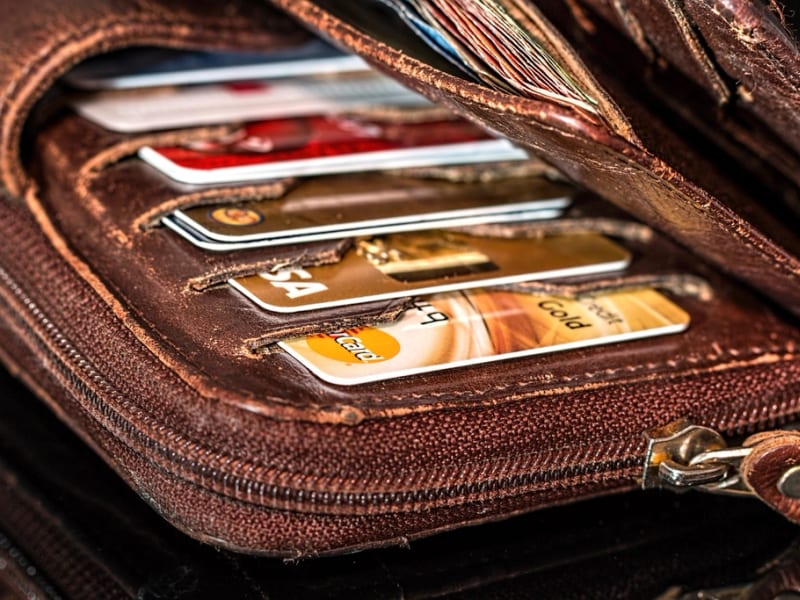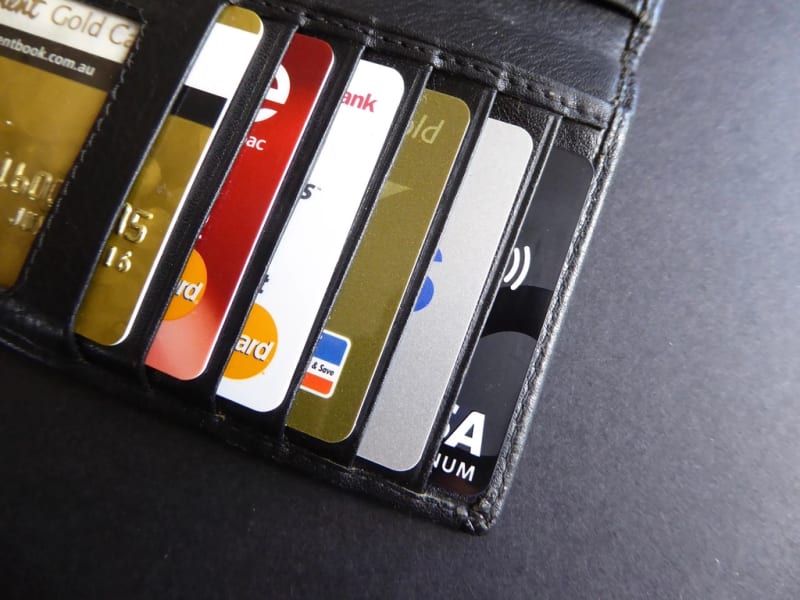
Stacking means collecting more than one reward on the same purchase. The common online stack has three layers: a shopping portal pays you for the click, a card-linked offer such as an Amex Offer pays you for using a specific card, and the card itself earns its normal points. The three are tracked by different systems, so all three can pay on one order if you do things in the right order.
Why The Layers Do Not Cancel Out
Each layer watches something different:
- The portal tracks your click through a cookie or browser extension. The store pays the portal a commission and the portal shares it with you (Rakuten Help, read 2026-09-30).
- The card-linked offer watches your card transaction. For Amex Offers, you add the offer to a card and then pay the merchant with that card (Amex, read 2026-09-30).
- The card's own rewards pay on every eligible purchase, whatever else happens.
The portal never sees your card, and Amex never sees your portal click. The Points Guy describes stacking a shopping portal with an Amex Offer as a way to "double dip" (The Points Guy, April 14, 2020).
The Order That Works
- Check the offer is in your account. Open your card's app and look for an offer at the store. Many are targeted, so a public report does not mean you have it.
- Add the offer to the card you will pay with. An Amex Offer can only be added to one card (Amex). Pick the card that earns the most at that store.
- Read the offer terms. Note the minimum spend, the end date, and where the purchase must be made. Some offers only count purchases made directly on the merchant's own site or app.
- Pick one portal. Compare rates for the store on a comparison site; Cashback Monitor tracks 42 portals (read 2026-09-30). Convert miles portals to cents before comparing with cash.
- Clear the way for tracking. Turn off ad blockers for the store and portal, and close other rewards extensions. Rakuten lists ad blockers, VPNs, cookie blockers and other shopping rewards sites as reasons tracking fails (Rakuten Help).
- Click through the portal, then shop. Rakuten says to activate before adding items to your cart and to check out in the same browser tab it opened (same source).
- Use only coupon codes the portal lists. Rakuten warns that codes not listed on Rakuten "may void Cash Back" (same source).
- Pay with the enrolled card, directly. Not through a gift card, and not through a third party checkout unless the offer terms allow it.
- Save the confirmation. Screenshot the order page and the portal activation. You need both if a layer does not post.
A Worked Example
The numbers below are example numbers, not a live offer, so you can see the math.
You plan to spend $200 at an online store. The store pays 5% cash back on a portal. Your Amex account shows an offer: spend $150 or more, get $30 back. You pay with the Hilton Honors American Express Card, which earns 3 points per dollar on purchases outside its bonus categories (American Express, read 2026-09-30).
| Layer | Reward | Dollar Value |
|---|---|---|
| Portal, 5% of $200 | $10 cash | $10.00 |
| Amex Offer | $30 statement credit | $30.00 |
| Card, 3 points per dollar | 600 Hilton points | $2.10 at 0.35 cents each |
| Total | $42.10, which is 21% back |
The Hilton value uses Frequent Miler's 0.35 cents per point (read 2026-09-30). Rakuten does not pay on taxes or shipping (Rakuten Help), so if part of the $200 is tax, the portal layer will be a little lower.
On Pointsflare's points per dollar scale, where $1 of cash counts as 100 points: 1,000 (portal) plus 3,000 (offer) plus 600 (card), divided by $200, is 23 points per dollar. That grades as Great (20 or more). The same purchase with the card alone is 3 points per dollar.
Notice where the value comes from: the offer is $30 of the $42.10. The portal is a good second layer. The card's points are the smallest piece, which is why the right card for a stack is often simply the one that holds the offer.
Mistakes That Cost You A Layer
- Adding the offer to the wrong card. The offer disappears from your other cards once added, so paying with a different card loses it.
- Using a coupon code from another site. It can void the portal reward.
- Clicking through two portals. Assume only the last one gets credit, if either does.
- Buying gift cards. Rakuten says most gift cards are excluded from cash back, and orders paid with gift cards may not earn either (Rakuten Help). Offer terms can exclude them too; the Frontier Amex Offer reported on September 29, 2026 excludes gift vouchers (Frequent Miler).
- Splitting the spend badly. If the offer needs $150 in one purchase and you split it into two $100 orders, you may miss it. Read whether the offer says "one or more purchases". The JetBlue offer reported on September 29, 2026 did ("Spend $200 in one or more purchases") (Frequent Miler).
- Returning part of the order. Returned or canceled orders do not earn Rakuten cash back (Rakuten Help), and a refund can drop you below an offer's minimum spend.
- Counting on two overlapping credits. Frequent Miler's JetBlue post notes that overlapping credits on the same purchase have been clawed back before.
When A Stack Is Not Worth It
A stack still starts with a purchase. 21% back on something you did not need is spending 79% more than you planned. The best stacks are on things you were going to buy this month anyway: flights you have already chosen, household orders, a replacement laptop.
It is also not worth it when the setup takes longer than it pays. A $20 order at 3% on a portal with no offer earns 60 cents; one tab and a card swipe is fine, but do not spend ten minutes comparing portals for it.
FAQ
Can I Use A Shopping Portal And An Amex Offer On The Same Purchase?
Generally yes, because the portal tracks your click and the Amex Offer tracks your card transaction. Check both sets of terms; some offers require buying directly from the merchant, and some portals exclude certain products.
Does The Order Of Steps Matter?
Yes. Add the card offer first, then click through the portal before you put anything in your cart, then pay with the enrolled card in the same browser tab. Doing it out of order is the most common reason a layer does not post.
Can I Add A Fourth Layer?
Sometimes. A store's own sale price or a portal-listed coupon code can sit on top. Codes from outside the portal can void the portal reward, so stick to the codes it lists.
What If One Layer Does Not Post?
Wait for the normal timing first: Amex allows up to 90 days after an offer expires for the credit, and Rakuten pays quarterly. If it is still missing, file a claim with the portal using your screenshots, or contact your card issuer about the offer.
Which Card Should I Use For A Stack?
The one that holds the offer. If the offer is on several cards, pick the card that earns the most at that store. Remember that an offer can only live on one card.
The Pointsflare app finds offers and portal bonuses, ranks each by points per dollar, and tells you which of your cards to use. See this week's stacks.